
What to Do When Your Yard Floods After a South Florida Downpour
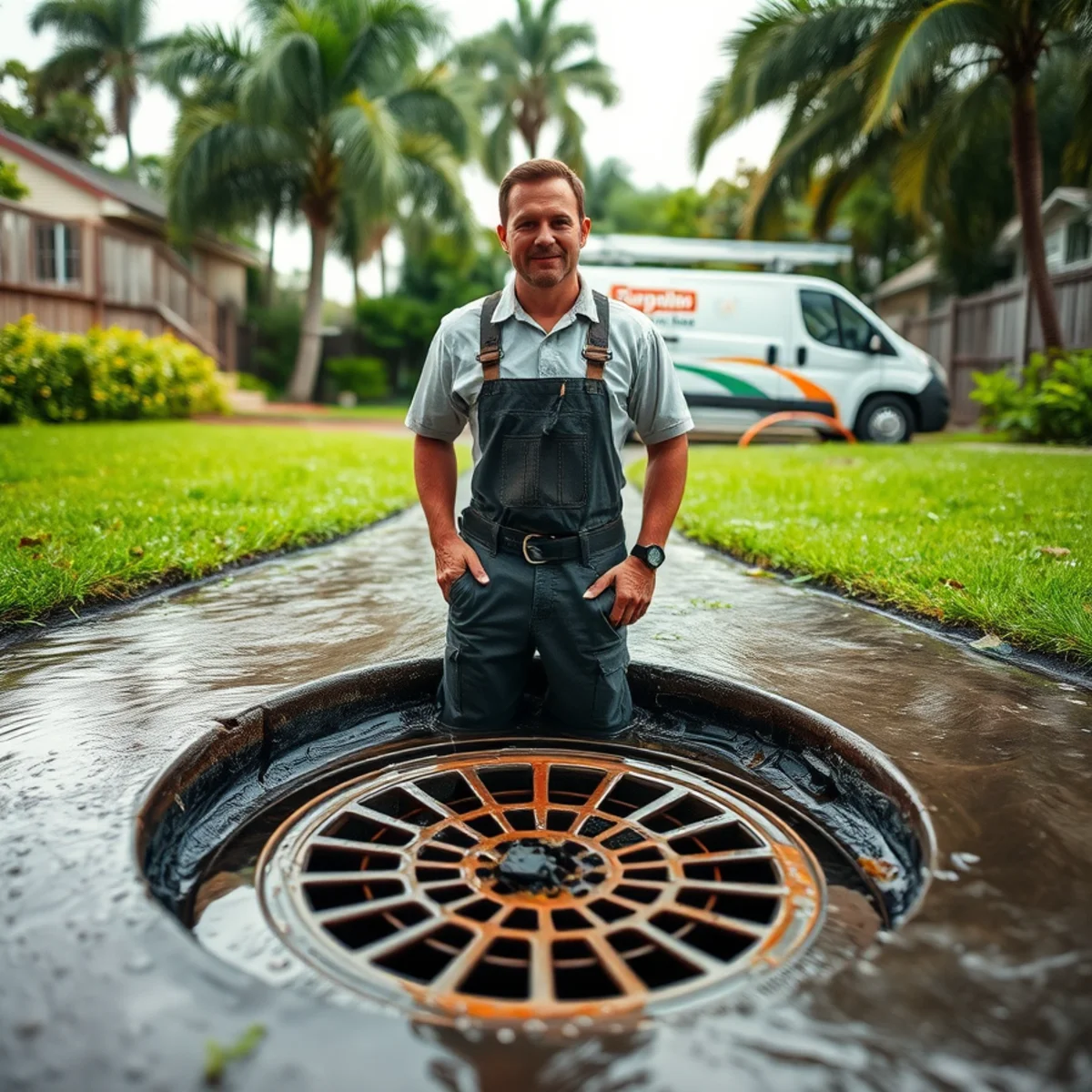
South Florida rain does not arrive gently. A summer downpour can drop inches in an hour, and a yard that normally sheds water fine can turn into a shallow lake. If the water lingers long after the storm passes, the issue is usually not the volume of rain, it is that your drainage cannot move it.
Standing water is more than an eyesore. It undermines foundations, breeds mosquitoes, and can push water toward the house. Here is how to diagnose and fix a yard that floods and stays flooded.
First, separate the storm from the symptom
During and immediately after an intense downpour, some pooling is normal, even good drainage needs time to catch up. The problem is water that stays for hours or days, or that returns with every ordinary rain. That persistence points to a drainage system that is clogged, undersized, or failing, not to the weather.
Check your yard drainage components
- Catch basins and yard drains: the grated boxes that collect surface water
- French drains: gravel-and-pipe trenches that move subsurface water
- Downspout and gutter discharge lines that carry roof water away
- Swales and grading that should direct water off the property
Why these drains clog in South Florida
Yard and storm drains fill with exactly what the landscape sheds: sand, silt, leaves, grass clippings, and mulch. The region's sandy soil and high water table make sediment infiltration constant, and a french drain full of fine sand or root intrusion simply stops moving water.
Because these lines run underground and out of sight, they clog silently. Most homeowners only discover the problem when the yard floods and does not drain.
What you can check yourself
- Clear leaves and debris off drain grates and catch basin covers
- Confirm downspouts are connected and discharging away from the house
- Look for sunken or consistently soggy areas that signal a failed line
- Note whether water flows toward the foundation, which needs prompt attention
When to bring in professional jetting
When the grates are clear but water still will not drain, the underground lines are blocked below the surface. Hydro jetting is the tool for storm and yard drains, flushing out the packed sand, silt, and roots that a surface cleaning cannot reach. Professional storm and yard drain cleaning restores the full capacity of a system that has slowly silted up.
This is especially common in low-lying and high-water-table areas like Wellington, Royal Palm Beach, and Weston, where sediment loads are heavy and drains need periodic clearing to keep up with the rain.
Prevention before the next storm
Standing water is easier to prevent than to fix in a crisis. Keep grates clear, have underground yard and french drains jetted before the wet season, and address soggy spots early. A drainage system that is maintained ahead of the rain handles a South Florida downpour the way it was designed to.
Storm drains and your sewer are two different systems
This trips up a lot of homeowners: the standing water in your yard is almost never a sewer problem. Your sanitary sewer carries waste from inside the house; your storm and yard drains, catch basins, and french drains carry rainwater away from the property. They are separate systems that rarely connect.
It matters because the fix is different. A flooded yard after a downpour points to silted or clogged storm drainage, which we jet clear — not to your sewer line. Knowing which system is affected keeps you from paying to clean the wrong one, and it is the first thing we sort out on a flooding call. If both systems are struggling at once, we handle the sanitary line and the storm drains as two separate scopes so nothing gets missed.
Key takeaway: Water that lingers after a storm usually means clogged yard or french drains; clear the grates yourself, and when water still will not drain, professional jetting flushes the silted underground lines.
Need it cleared today? We're on call right now.
(614) 830-0578