Hurricane Season Drain Prep for Palm Beach and Broward Homeowners
Hurricane season runs June through November in South Florida, and the storms that define it bring the one thing drainage systems fear most: enormous volumes of water in a very short time. A drain that limps along fine in dry weather can fail completely when a storm dumps a season's worth of rain in an afternoon.
The time to prepare drains is before the first watch goes up, not during it. This checklist covers what Palm Beach County and north Broward homeowners should handle ahead of the season.
Why storms expose weak drainage
During normal rain, a partially clogged yard drain or a scaled sewer line still moves enough water to seem fine. A hurricane removes that margin. When the system is asked to handle many times its usual load, any restriction becomes a bottleneck, and water backs up into yards, garages, and homes.
Storm conditions also work against you in other ways: saturated ground cannot absorb runoff, and in low-lying coastal areas, high water and surge can push back against the very lines that are supposed to carry water away.
Clear and jet your yard and storm drains
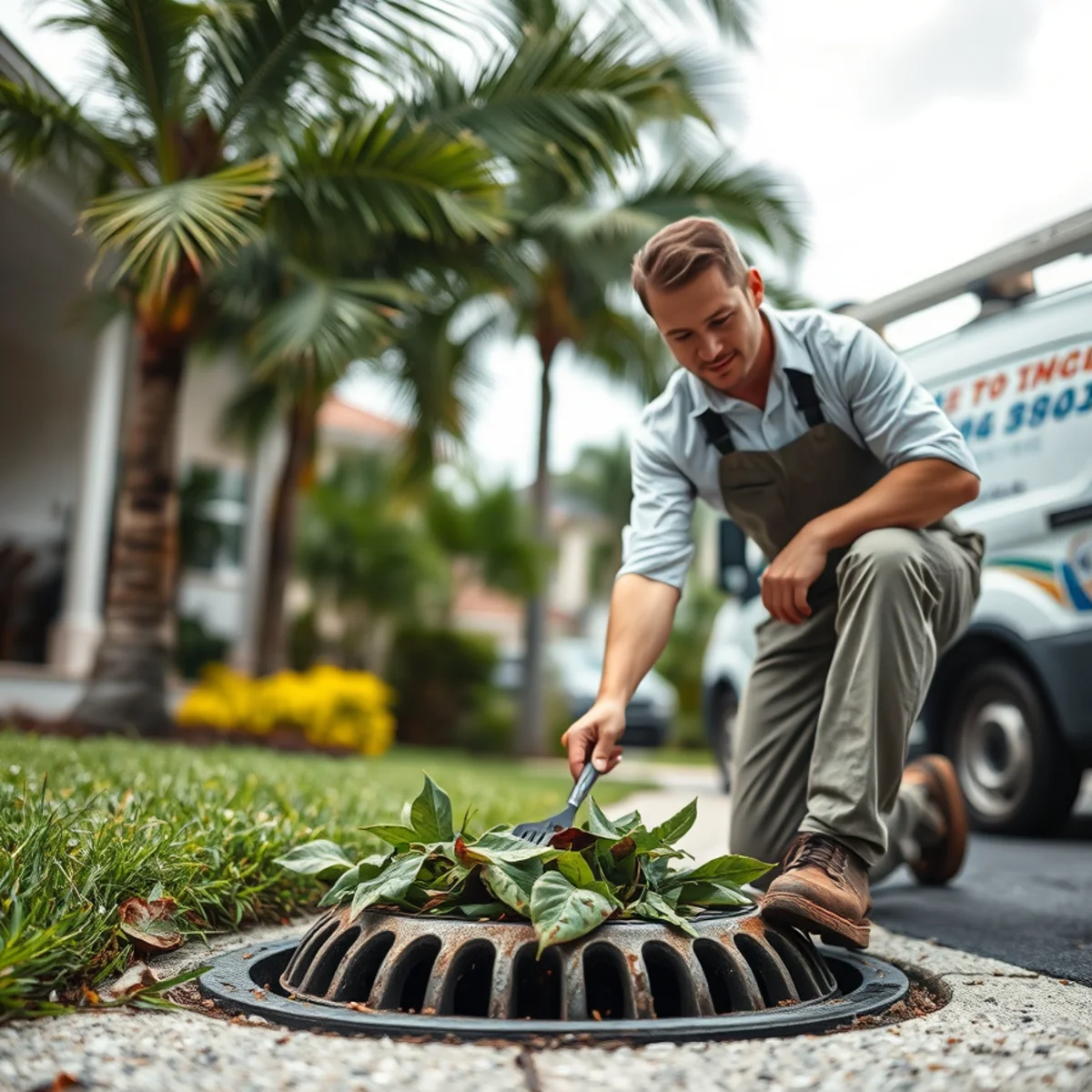
Yard drains, catch basins, and french drains are your first line of defense against flooding, and they are exactly what silts up over a dry season. Clear all grates of leaves and debris, and have underground lines jetted if water has been draining slowly. A storm is the worst time to discover a drain packed with sand.
Address slow interior drains now
A sewer line that already drains slowly is far more likely to back up when the ground is saturated and groundwater is infiltrating the pipe. If you have noticed gurgling, slow drains, or repeat clogs, get them cleared before the season peaks. A camera inspection is worth it if backups keep returning, since a compromised line is a storm-season liability.
Protect against backups
- Know where your main cleanout is so you can act fast if water rises
- Keep downspouts connected and directing roof water away from the foundation
- Clear swales and grading paths so surface water can leave the property
- Have a plan to stop water use immediately if a backup starts
Local realities across the coast
In beachfront and low-lying areas like Pompano Beach and parts of Deerfield Beach, storm surge and a high water table make drainage prep especially important. Riverfront and high-water-table communities like Jupiter see yard and french drains overwhelmed quickly. The common thread is that a maintained system handles the storm and a neglected one fails, so the prep pays for itself the first bad season.
After the storm passes
Once conditions are safe, check that drains are moving water and watch for slow drainage or backups that appeared during the storm, both signs of storm debris in the lines. Prompt jetting after a major storm clears out the sediment a hurricane drives into the system, so you are ready for the next one.
A pre-storm drain checklist
The time to think about drainage is before a storm is named, not while it is raining. A short spring routine keeps water moving away from your house when a system stalls over South Florida and drops several inches in an hour.
- Clear leaves and debris off every yard-drain grate and catch basin
- Have silted yard drains and french drains jetted before June
- Check that downspouts are attached and discharging away from the foundation
- Know where your main cleanout is so a backup can be cleared fast
- Trim landscaping that drops debris directly onto drain inlets
- Book any recurring sewer-line jetting ahead of the season, not during it
Key takeaway: Storms expose any weak drainage, so before hurricane season clear and jet yard and storm drains, fix slow interior lines, and locate your main cleanout, then re-check the system after each major storm.
Need it cleared today? We're on call right now.
(614) 830-0578