
Tree Roots in Your Sewer Line, Signs and Fixes
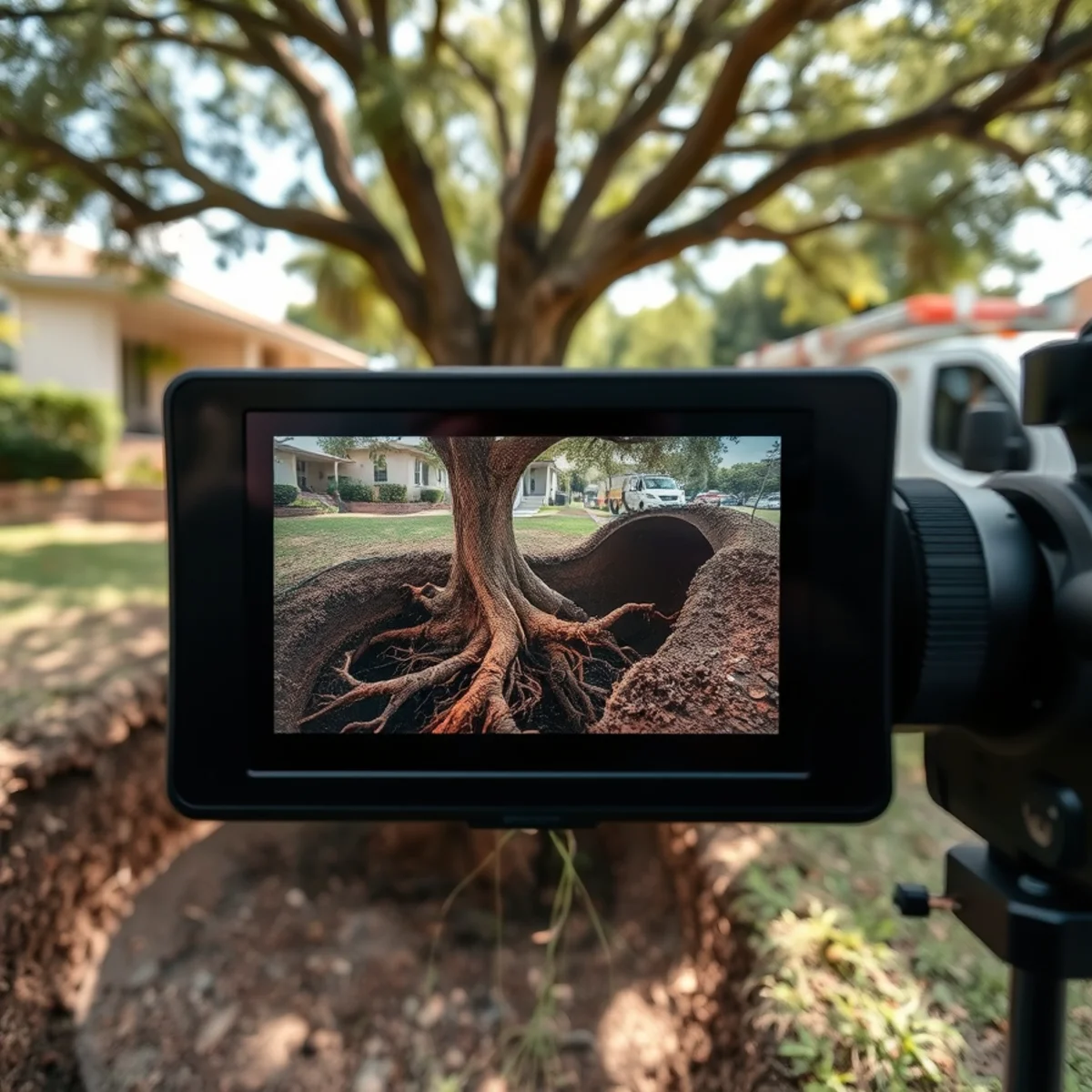
A sewer line is a constant source of exactly what a tree wants: water and nutrients. In South Florida, where ficus, banyan, oak, and melaleuca grow fast and root aggressively, a hairline crack or a loose joint in your line is an open invitation.
Roots are one of the most common causes of recurring backups in older Palm Beach County and north Broward neighborhoods, and left alone they go from a few strands to a solid mat that crushes the pipe. Catching them early changes everything about the fix.
How roots get into a sewer line
Roots do not drill through sound pipe. They find existing weaknesses, a cracked section, a corroded cast iron joint, a gap where clay tile sections meet, and slip in as fine hairs drawn by the moisture and warmth inside. Once inside, they thrive on the nutrients and grow into a dense, net-like mass that catches everything flowing past.
That mass traps grease, tissue, and debris, which is why a root problem shows up as repeat clogs long before the pipe actually collapses.
The warning signs of root intrusion
- Gurgling toilets and slow drains that keep coming back after snaking
- Backups that recur on a predictable schedule, often seasonally
- Multiple fixtures draining slowly, pointing to the main line
- Unusually green or fast-growing patches in the yard over the line
- Sinkholes, soft spots, or sewage odor in the yard
Why snaking alone does not solve it
A standard cable can punch through a root mass and restore flow, which feels like a fix, but the roots are still there and regrow quickly. Real root work means cutting them back to the pipe wall with the right tools and then hydro jetting to clear the debris and scour the interior clean.
Confirm the intrusion with a camera
A sewer camera inspection shows exactly where roots are entering and how bad the damage is. That is essential information, because roots getting in means the pipe is already compromised somewhere. The camera tells you whether cutting and jetting will hold for a good while or whether the pipe is broken enough to need repair.
Clearing, treatment, and lasting fixes
Mechanical root cutting followed by jetting clears the line and buys time. Some homeowners add a foaming root treatment to slow regrowth. But roots always come back to a compromised pipe, so the durable fix is addressing the entry point itself.
Repairing or replacing the damaged section is licensed plumbing work in Florida, so verify a contractor's DBPR license before authorizing any dig or repair. Cutting and clearing the roots is unlicensed cleaning work; fixing the broken pipe is not.
Prevention where trees stay
- Schedule periodic camera checks if you have mature trees near the line
- Keep up regular jetting to stay ahead of regrowth
- Know where your lateral runs before planting new trees
- Address small cracks before they become root highways
The South Florida trees most likely to be the culprit
Some trees are far more likely than others to be in your sewer line, and knowing which helps you plan. Ficus is the notorious one — its aggressive, water-seeking roots are famous for finding laterals, and older Boca and coastal lots are full of it. Banyan roots are even larger.
Live oak along established streets, melaleuca on the western edges, and cypress near the rivers all send roots toward the moisture in a leaking joint. The tree is rarely the real problem, though — roots only enter where the pipe is already cracked or unsealed. That is why the fix is repairing the entry point, not removing a healthy tree.
Key takeaway: Roots enter through existing cracks and regrow after snaking; cutting plus hydro jetting clears them, a camera finds the entry point, and lasting repair of a broken pipe is licensed work.
Need it cleared today? We're on call right now.
(614) 830-0578