Sewage Backing Up Into Your Boca Raton Shower? Do These Six Things First
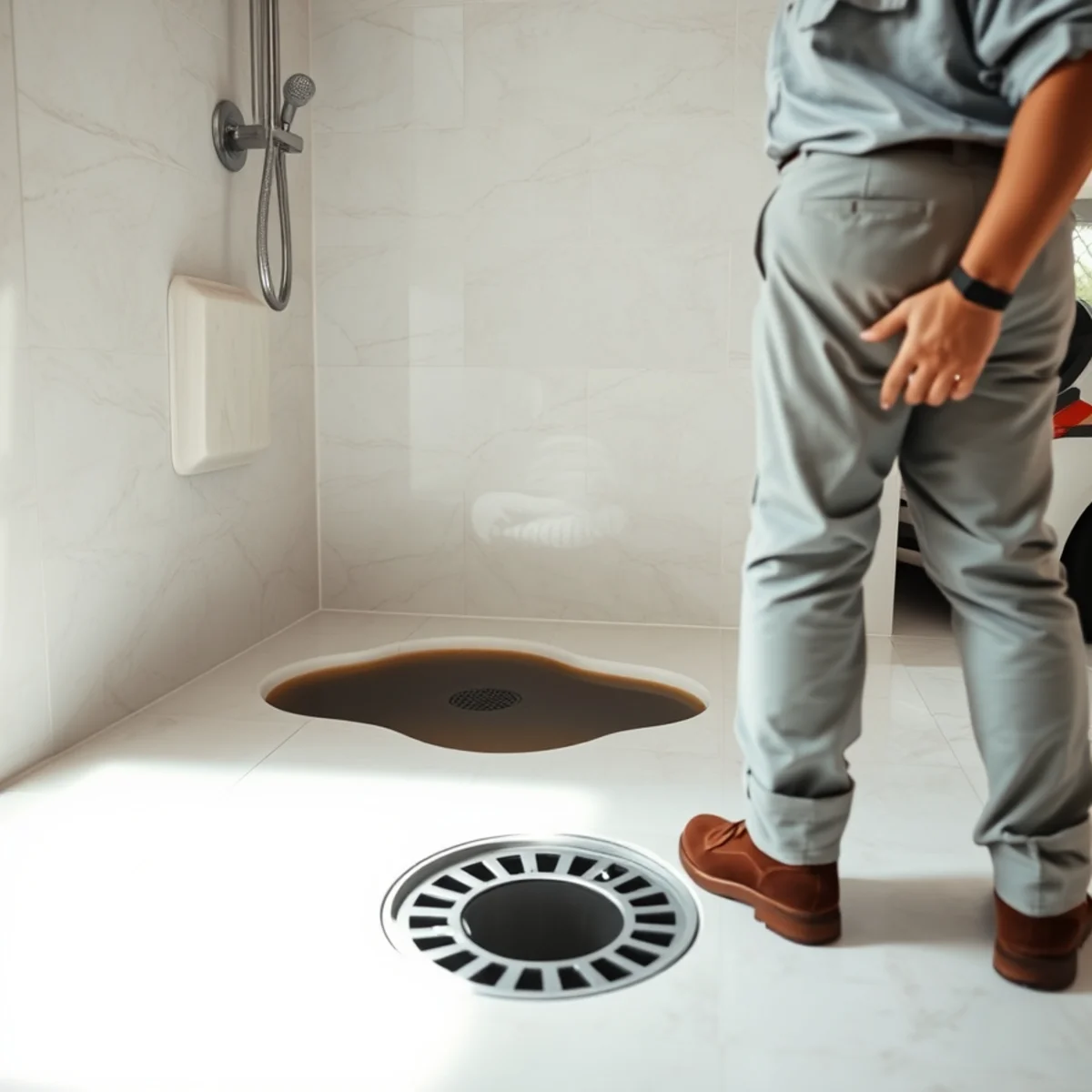
When dirty water rises in your shower or tub, especially when you flush a toilet or run the washing machine, the problem is almost never the shower itself. The shower is simply the lowest drain in the house, so it is where a backed-up main line surfaces first.
That makes it an emergency, not a nuisance. Sewage carries bacteria, and standing water starts damaging materials fast. The steps below are ordered to protect your health, limit the damage, and set up a clean fix.
1. Stop adding water immediately
The single most useful thing you can do is stop sending water into a line that cannot drain. Do not flush toilets, run sinks, start the dishwasher, or run the washing machine. Every gallon you add has nowhere to go but up into the shower or out onto the floor. Tell everyone in the house to stop using water until the line is clear.

2. Keep people and pets away from the wastewater
Treat backed-up sewage as contaminated. Keep children and pets out of the bathroom, and do not walk sewage through the rest of the house on your feet. If you have to be near it, wear rubber gloves and rubber boots, and wash thoroughly afterward.
3. Contain and protect what you can, safely
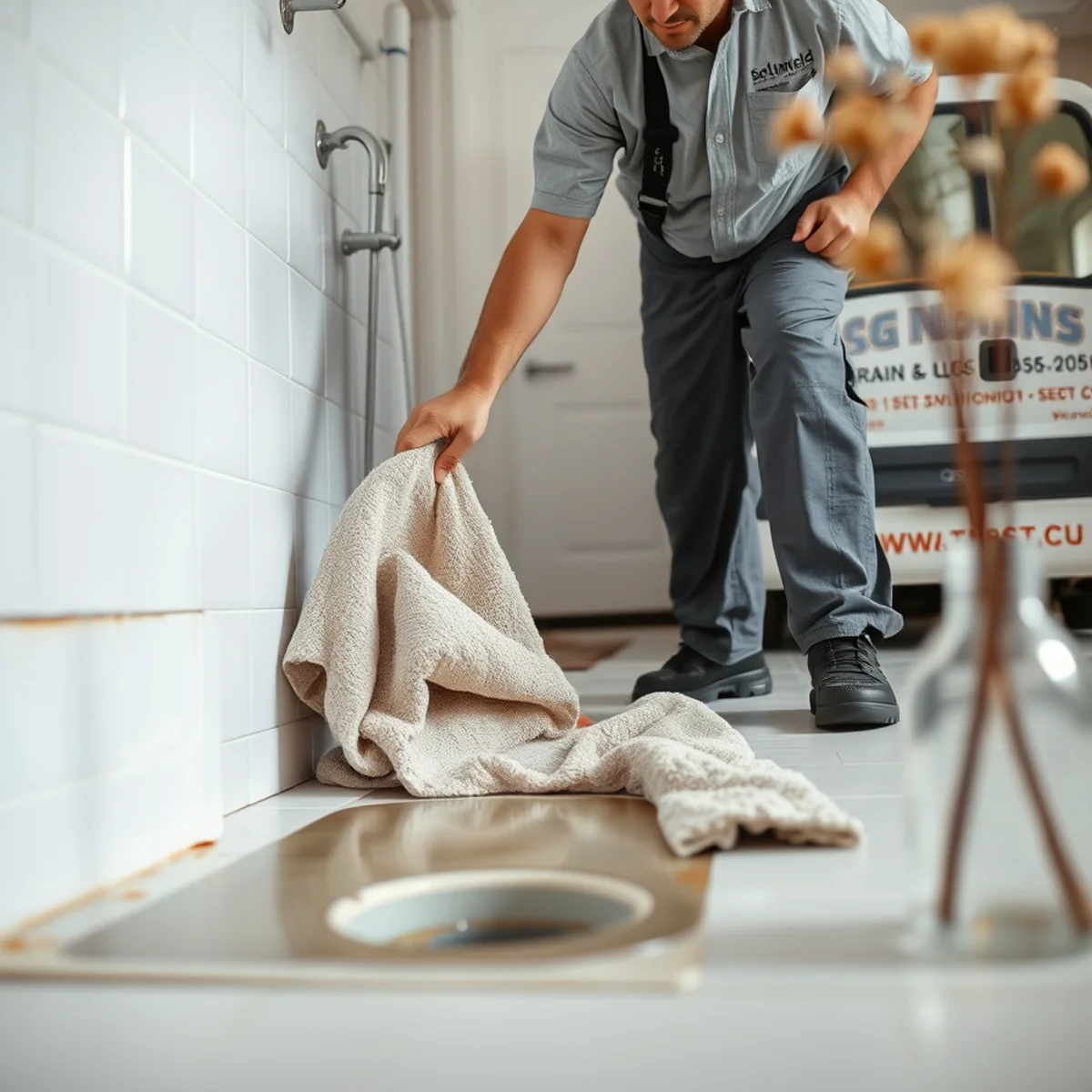
Move rugs, towels, and anything valuable up and away from the water. If it is safe and dry to reach, some homeowners choose to cut power to the affected bathroom at the breaker before dealing with anything electrical near the water. Do not touch outlets or switches that are wet.
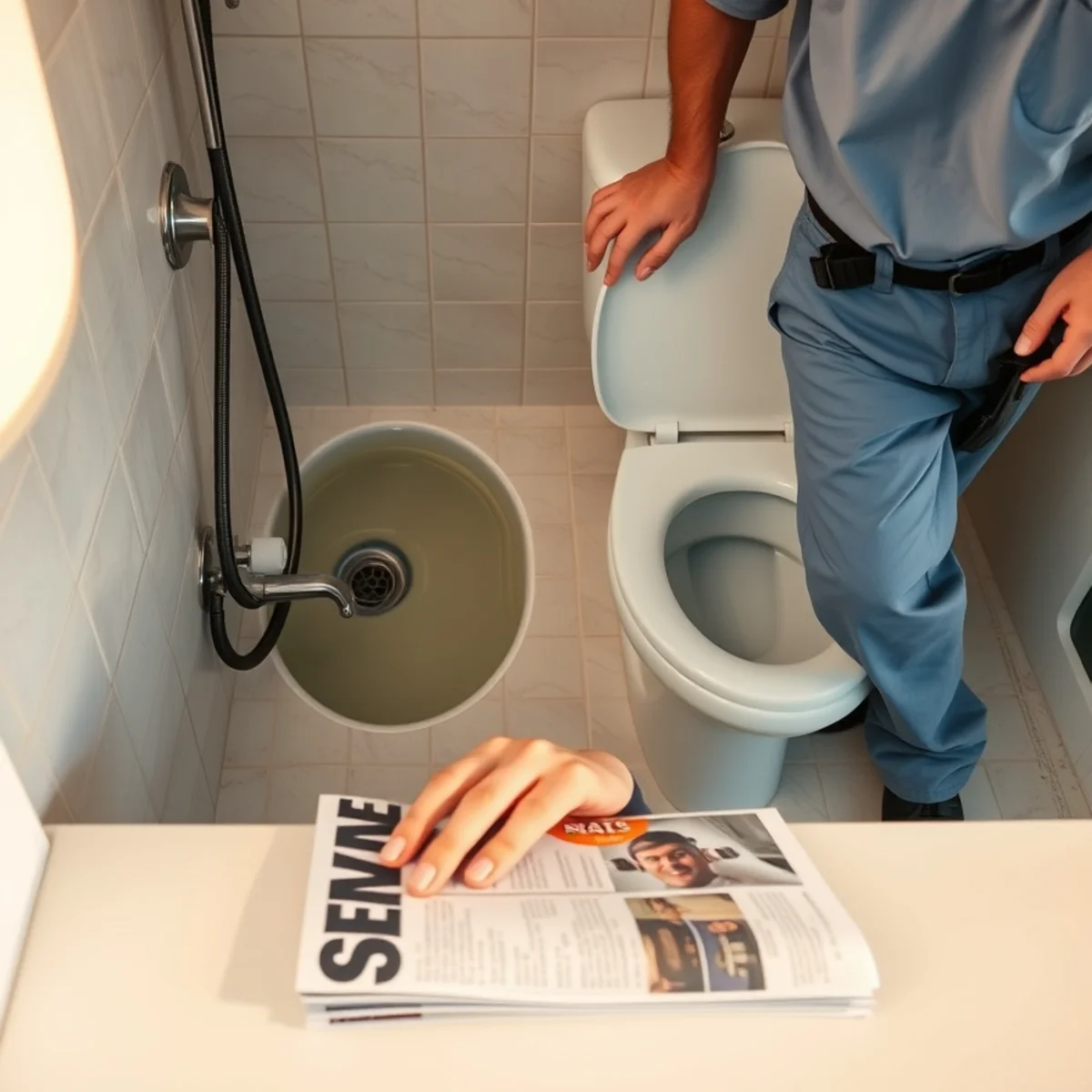
4. Understand what a whole-house backup usually means
When the lowest drain backs up while you use fixtures elsewhere, the blockage is typically in the main line that carries everything out of the house, not in one branch. In older Boca Raton and coastal Palm Beach County homes, the usual culprits are scaled pre-1975 cast iron, tree roots at the pipe joints, or a grease-and-debris mass in the main.
This is why a plunger on the shower rarely helps. The problem is downstream of the fixture, often well outside the house.
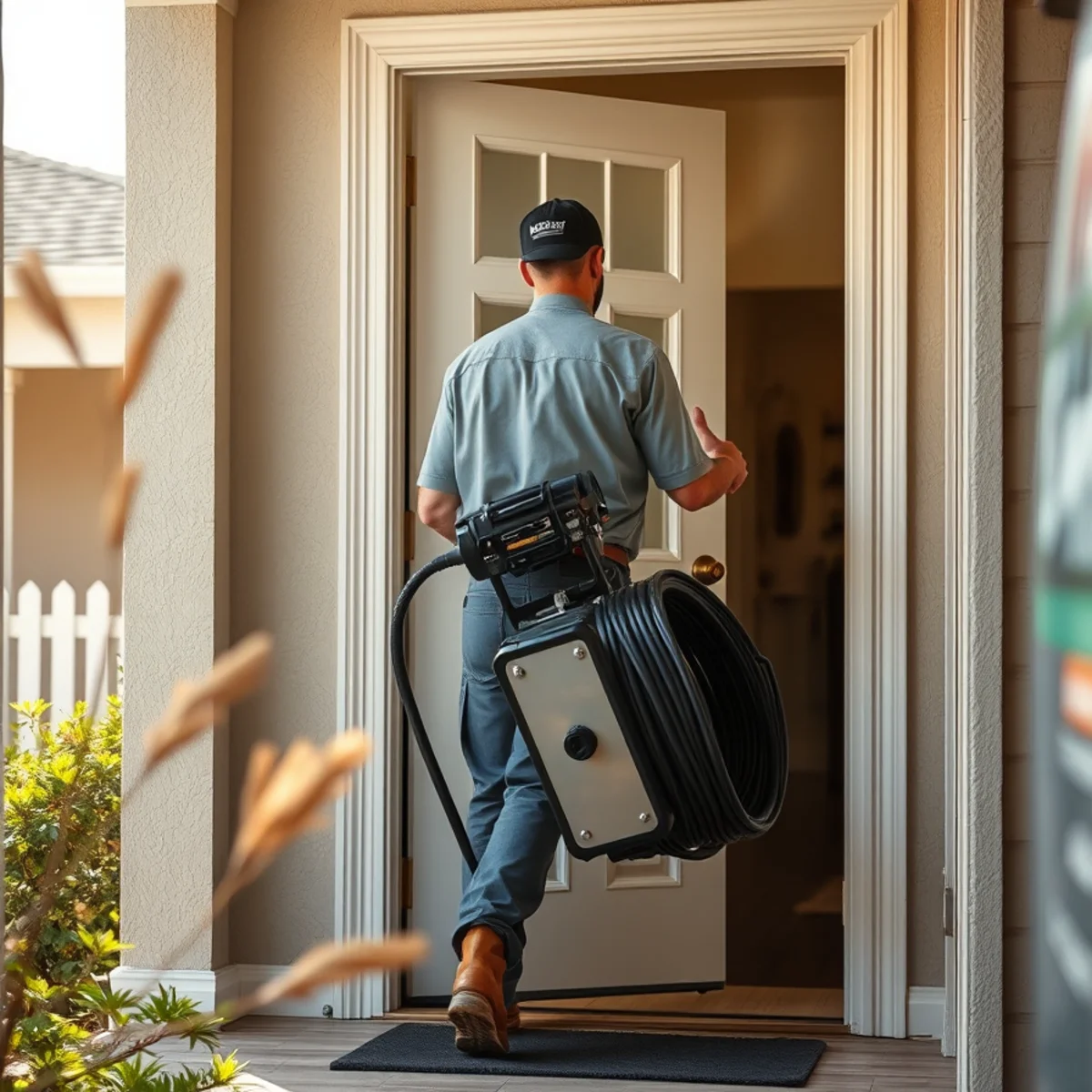
5. Call for professional main-line clearing
A main-line backup needs a technician with a cable or jetter and, ideally, a camera to confirm the cause. This is the point to call for emergency drain cleaning rather than keep experimenting. Clearing the main is what actually stops water from rising, and a camera inspection afterward tells you whether roots or a broken pipe will bring it right back.

6. Document everything before cleanup
Before anyone extracts water or tears out materials, photograph the standing water, the affected rooms, and any damaged belongings. If you later file a claim, that record matters. Then move quickly on drying, because the EPA identifies the first 24 to 48 hours as the important window to dry water-damaged materials before mold takes hold. Professional cleanup follows the ANSI/IICRC S500 water-damage standard for exactly this reason.
When the backup is the city's problem, not yours
Not every backup is on you. The private lateral from your house to the connection at the street is the homeowner's responsibility; the main under the street is the utility's. If several homes on your block back up at once, or the blockage sits past your property line, it may be a municipal issue you can report.
This is exactly why we camera and locate a recurring backup instead of just cabling it. Footage that shows the blockage is in the city main, not your lateral, is what you need to get the utility to act and to keep from paying for a repair that was never yours to make.
Key takeaway: Stop all water use immediately, keep everyone away from the sewage, document the damage, and call for emergency main-line clearing, because a shower backup almost always means the main line is blocked.
Need it cleared today? We're on call right now.
(614) 830-0578